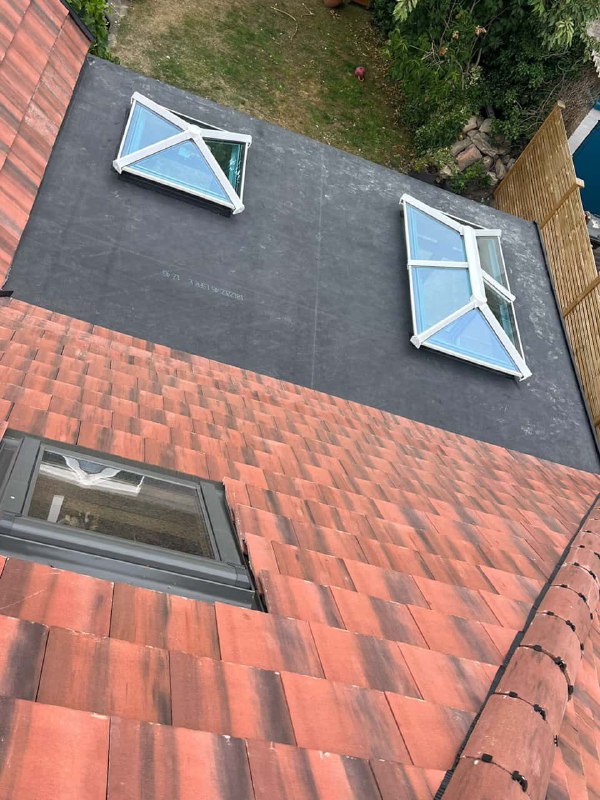
What Should Homeowners Expect During a Re-Roofing Project?
Re-roofing is a significant home improvement, and it is natural for homeowners to want to understand exactly what will happen before work begins. Unlike a small roof repair that concentrates on one particular defect, re-roofing involves renewing the main roofing system to provide reliable protection for the property for years to come. Knowing the typical stages can make the process much easier to understand and help homeowners feel properly prepared.
For homeowners in Thorne, South Yorkshire, a professionally managed re-roofing project should involve careful preparation, systematic removal of the old materials, inspection of the underlying roof and precise installation of the new roofing system. At LKP Roofing Thorne, we approach re-roofing with close attention to every stage rather than concentrating solely on the visible finished surface.
Why Might a Roof Need Re-Roofing?
Not every damaged or ageing roof requires complete renewal. Individual defects can often be resolved successfully with professional roof repairs.
Re-roofing is more likely to be considered when deterioration has become widespread or an older roof is developing recurring problems in different locations. Typical indicators can include:
- Repeated leaks in different areas
- Widespread damaged or deteriorating tiles
- An ageing roof covering
- Recurring problems despite previous repairs
- Deterioration affecting several roofing components
- A roof that is becoming increasingly unreliable during poor weather
A professional assessment should determine the overall condition of the roof before deciding whether repair or re-roofing is appropriate.
The Initial Roof Assessment
A successful re-roofing project begins with understanding the existing roof.
Before work starts, the roof should be assessed to establish its condition, construction and any areas requiring particular attention. Details such as chimneys, valleys, roof junctions and leadwork should also be considered as part of the overall project.
This preparation allows the work to be planned around the individual property rather than treating every roof in exactly the same way.
Preparing the Property for the Work
Re-roofing naturally involves activity around the outside of the home, so preparation is important.
Access needs to be arranged so roofing materials and equipment can be handled efficiently. Areas immediately surrounding the property may also need to be kept clear while work is underway.
Homeowners can expect some noise and general disruption while the old roofing materials are being removed and the new roof installed. A well-organised roofing team will manage the project carefully to keep unnecessary disruption to a minimum.
Removing the Existing Roof Covering
Once preparations are complete, the existing tiles, slates or other roof covering can be systematically removed.
This stage is important because it exposes parts of the roof that are normally hidden from view. An ageing roof may appear to have only surface-level deterioration, while the condition beneath the covering can reveal additional issues that were impossible to see beforehand.
Removing the old materials therefore provides an opportunity to understand the true condition of the roofing system.
Inspecting the Underlying Roof
Once the existing covering has been removed, the underlying structure can be properly examined.
Roofers can inspect areas such as the roof deck, timbers and other supporting components for deterioration. If anything requires attention, it can be addressed before the new roof covering is installed.
This is one of the major advantages of re-roofing. Rather than simply covering over an ageing system, the roof can be renewed from a sound and properly prepared foundation.
Installing the New Roofing System
Once the underlying roof has been prepared, installation of the new roofing system can begin.
Depending on the roof design, this typically involves fitting the appropriate protective layers, battens and roof covering before completing the necessary ridge, verge and junction details.
Each element needs to work with the others. A roof should be viewed as a complete system rather than simply a collection of tiles or slates.
Paying Attention to Vulnerable Roof Details
Some areas of a roof require particularly careful workmanship because they naturally face a greater risk of water ingress.
These can include:
- Chimney junctions
- Lead flashing
- Roof valleys
- Roof-to-wall junctions
- Ridges and verges
- Roof penetrations
Careful detailing around these areas is essential for achieving dependable long-term weather protection.
What Happens If Unexpected Problems Are Found?
One reason re-roofing requires experienced professionals is that not every issue can be identified before the existing roof covering is removed.
Once previously concealed areas become accessible, additional deterioration may occasionally be discovered. An experienced roofer can assess what has been found and determine the correct way to address it before proceeding with the new installation.
Dealing with these issues properly is important because the new roof needs a sound foundation if it is to perform reliably.
Installing the Final Roof Covering
As the project progresses, the new tiles or slates are installed carefully across the roof.
Correct positioning, alignment and fixing are all important for achieving a consistent finish and dependable protection against the weather. Leadwork and other finishing details are completed so vulnerable junctions remain properly weatherproof.
This stage transforms the appearance of the property while providing the practical protection that is the main purpose of the project.
Final Checks and Completion
Once installation is complete, the roof should be carefully checked.
Attention should be given to the finished roof covering, junctions, flashing, ridges and other important details to ensure the complete roofing system has been installed correctly.
The working area can then be cleared, leaving the property with a renewed roof designed to provide reliable long-term service.
Why Professional Re-Roofing Matters
The long-term performance of a new roof depends heavily on the standard of its installation.
Good re-roofing involves much more than removing old tiles and replacing them with new ones. It requires proper assessment, careful preparation, skilled installation and close attention to the areas most vulnerable to water ingress.
At LKP Roofing Thorne, we provide professional roof repairs and re-roofing services throughout Thorne, South Yorkshire. Every project is approached carefully so that the finished roof does not simply look renewed but provides the dependable weather protection homeowners expect from a professionally installed roofing system.
Conclusion
A re-roofing project follows a structured process, beginning with assessment and preparation before moving through removal of the existing roof, inspection of concealed areas and installation of the new roofing system. Understanding these stages can help homeowners know what to expect and appreciate why careful workmanship is so important.
For homeowners in Thorne, South Yorkshire, re-roofing can provide a reliable long-term solution when an ageing roof has developed widespread deterioration or recurring problems. If you are concerned about the condition of your existing roof, LKP Roofing Thorne can assess it and advise whether professional repairs or complete re-roofing would be the appropriate solution for your property.
Call us on: 01405 808 195
Click here to find out more about LKP Roofing Thorne
Click here to complete our contact form and see how we can help with your roofing needs.