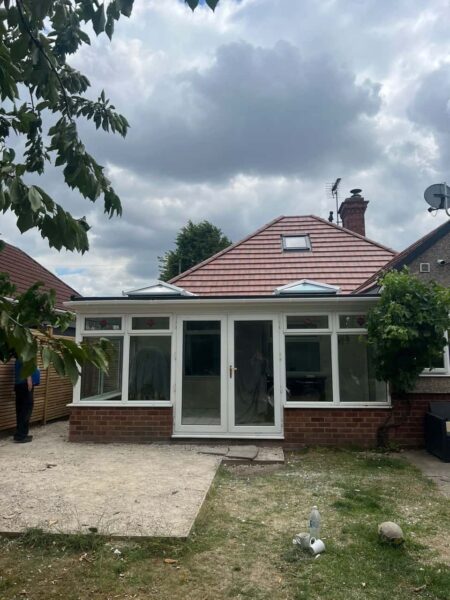
What Counts as a Roofing Emergency?
Not every roofing issue requires immediate attention, but some problems simply cannot wait. Knowing the difference between a routine repair and a genuine roofing emergency is important for protecting your property from further damage and ensuring the safety of those inside.
Many homeowners are unsure whether a roofing problem warrants urgent action or whether it can be addressed as part of planned maintenance. For property owners in Thorne, South Yorkshire, understanding what constitutes a roofing emergency can help prevent small issues from developing into major concerns.
What Is a Roofing Emergency?
A roofing emergency is any issue that poses an immediate threat to the safety, weatherproofing or structural integrity of a property. These situations often require prompt professional attention because delaying repairs could result in significant damage.
The key factor is not always the size of the problem itself, but the potential consequences if it is left unresolved.
Active Roof Leaks During Rainfall
One of the most common roofing emergencies is an active leak. Water entering the property during heavy rainfall can quickly spread through ceilings, walls and loft spaces.
Signs of an urgent leak include:
- Water dripping indoors
- Saturated ceilings
- Rapidly expanding damp patches
- Water entering electrical areas
Even a small leak can become a serious problem if weather conditions continue to expose the damaged section of the roof.
Storm Damage
Strong winds and severe weather can cause sudden and significant roofing damage. Tiles may become dislodged, flashing can lift and sections of the roof covering may be compromised.
Following a storm, emergency attention may be needed if:
- Large numbers of tiles are missing
- Roof coverings have been torn away
- Water is entering the property
- Structural elements appear exposed
Prompt repairs help minimise the risk of further weather-related damage.
Fallen Branches or Impact Damage
Trees and large branches can cause substantial damage when they fall onto a roof. Impact damage can affect both the roof covering and the supporting structure beneath.
In these situations, professional assessment is important to determine:
- The extent of the damage
- Whether the roof remains structurally sound
- What temporary measures may be required
- The most effective repair solution
Visible damage from impact should never be ignored.
Significant Tile or Slate Loss
A single missing tile may not always constitute an emergency, but widespread tile loss can leave large areas of the roof vulnerable to water ingress.
If substantial sections of roofing material have been displaced, immediate action is often required to restore protection and prevent further deterioration.
This is particularly important during periods of wet or windy weather.
Damaged Flashing Around Vulnerable Areas
Lead flashing helps create watertight seals around chimneys, roof junctions and other vulnerable points. If flashing becomes detached or severely damaged, water can enter the property surprisingly quickly.
Emergency repairs may be necessary when flashing defects are actively allowing water into the roof structure.
Visible Structural Concerns
Any signs of structural movement within the roof should be treated seriously.
Examples include:
- Noticeable roof sagging
- Visible structural distortion
- Significant movement following severe weather
- Concerns about stability
These situations require urgent professional assessment to ensure the safety of the property and its occupants.
When a Roofing Problem Is Not Usually an Emergency
Not all roofing defects require immediate intervention. Some issues can often be scheduled as routine repairs, including:
- Minor moss growth
- Isolated cracked tiles with no active leak
- Cosmetic wear
- General ageing of roofing materials
However, even non-emergency issues should still be inspected and addressed before they worsen.
Why Acting Quickly Matters
Roofing emergencies rarely improve on their own. In most cases, exposure to rain, wind and changing weather conditions causes the problem to escalate.
Prompt attention can help:
- Limit water ingress
- Protect the roof structure
- Reduce internal damage
- Preserve roofing materials
- Restore the property’s weather resistance
The sooner the issue is assessed, the easier it is to prevent further complications.
The Importance of Professional Assessment
It is not always easy to determine the severity of a roofing problem from ground level. What appears to be a minor issue may be concealing more extensive damage beneath the surface.
At LKP Roofing Thorne, we provide professional roofing inspections and emergency repair services throughout Thorne, South Yorkshire. Our experienced team can quickly identify the source of roofing problems and recommend the most appropriate course of action.
Conclusion
A roofing emergency is any issue that threatens the safety, structure or weatherproofing of a property. Active leaks, storm damage, impact damage, widespread tile loss and structural concerns are among the most common situations requiring urgent attention.
For homeowners in Thorne, South Yorkshire, recognising the signs of a roofing emergency and acting promptly can prevent extensive damage and protect the long-term condition of the property. LKP Roofing Thorne provides professional roofing services designed to respond quickly and restore the security and performance of your roof when it matters most.
Call us on: 01405 808 195
Click here to find out more about LKP Roofing Thorne
Click here to complete our contact form and see how we can help with your roofing needs.