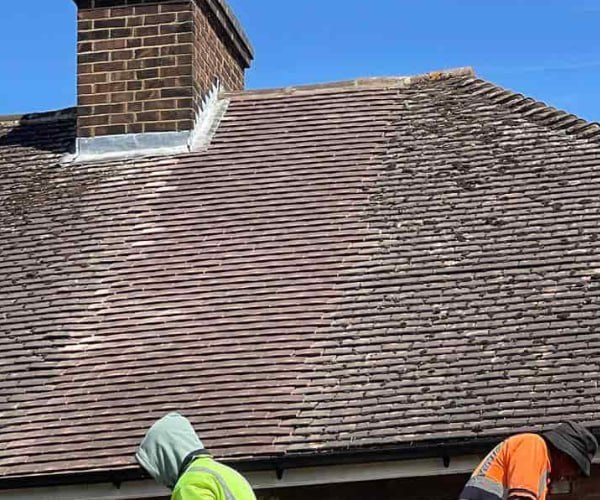
When Concrete Roof Tiles Should Be Fully Replaced
Concrete roof tiles are known for their durability, weather resistance, and long service life. However, like all roofing materials, they eventually reach a stage where repairs are no longer enough to maintain performance or protect the home. For homeowners in Thorne, recognising when concrete tiles should be fully replaced is key to preventing escalating damage and ensuring the property remains safe and weather-tight for years to come.
When Age Has Significantly Weakened the Tiles
Concrete tiles naturally lose strength over time. Repeated freeze-thaw cycles, ongoing UV exposure, and decades of rainfall gradually break down the tile surface and its internal structure.
Full replacement becomes necessary when:
- Tiles become brittle or begin cracking across multiple areas
- Surface erosion exposes the aggregate beneath
- Tiles no longer shed water effectively
Once the material has deteriorated to this point, repairing individual sections will not restore the tile’s original integrity.
When Persistent Cracking Appears Across the Roof
Isolated cracks can sometimes be dealt with through repairs, but widespread cracking signals deeper issues.
Persistent cracking may indicate:
- Structural fatigue in the tiles
- Long-term weathering
- Movement in the roof structure
If many tiles are affected, replacing them as a complete system is more reliable than attempting piecemeal repairs.
When Tiles Have Become Water-Absorbent
Concrete tiles are designed to resist water penetration, but worn tiles begin absorbing moisture rather than repelling it.
Signs include:
- Dampness or staining beneath the roof
- Moss growth spreading rapidly
- Tiles becoming noticeably heavier after rainfall
Water-absorbing tiles place unnecessary strain on the roof structure and contribute to ongoing internal moisture problems. At this stage, full replacement is the most sensible solution.
When the Roofline Begins to Sag or Shift
A sagging roofline is often caused by overloaded tiles, damaged battens, or long-term moisture absorption.
Replacing the tiles allows professionals to:
- Assess the underlying structure
- Repair weakened components
- Install a new system that distributes weight correctly
Continuing to repair individual tiles will not resolve structural movement issues.
When Repairs Have Become Too Frequent
If the roof requires constant patching, repeated moss removal, or regular tile replacements, this usually indicates the system as a whole is reaching the end of its lifespan.
A complete replacement is more cost-effective long term and provides greater reliability.
When Upgrading Improves Efficiency and Protection
A replacement may also be the best choice when:
- The existing tiles are outdated
- The roof underlay has deteriorated
- Ventilation is poor
Installing new concrete tiles gives homeowners the opportunity to upgrade the entire roofing system, improving performance and weather protection.
Conclusion
Concrete roof tiles offer excellent longevity, but they do eventually reach a point where replacement is the only dependable option. When tiles show signs of structural fatigue, widespread cracking, excessive moisture absorption, or when repairs have become a regular necessity, a full renewal ensures the roof continues to protect the home as intended.
If your concrete tile roof is showing signs of wear, LKP Roofing Thorne is here to provide professional assessments and high-quality replacement services across Thorne and the surrounding areas. Feel free to get in touch to arrange a survey and keep your home protected for the future.
Call us on: 01405 808 195
Click here to find out more about LKP Roofing Thorne
Click here to complete our contact form and see how we can help with your roofing needs.